Posthuman Anti-Extinction Urban-Organism by Kris Menos
Hostile Environs (Post-Anthropocene)
MIT Urban Design Studio
Professor Miho Mazereeuw

Human beings — in their current evolutionary state — require very particular environmental conditions and resources:
- Grounding, fixed gravity, stability;
- Breathable air (O2 oxygen, N2 nitrogen…);
- Potable water (H2O…);
- Nutrition (proteins, lipids, fibers, vitamins, minerals…);
- A narrow range of climatic conditions (temperature, humidity, air pressure…)…
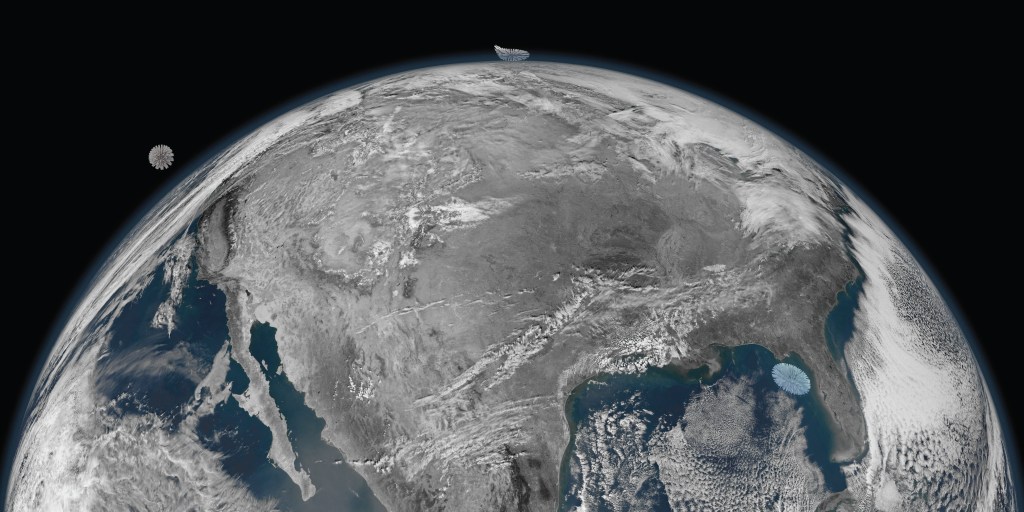
In geological terms, the Earth — constantly in flux — provides these conditions and resources only periodically.
In geographic terms, the Earth — constantly in flux — provides these conditions and resources only in particular locations.
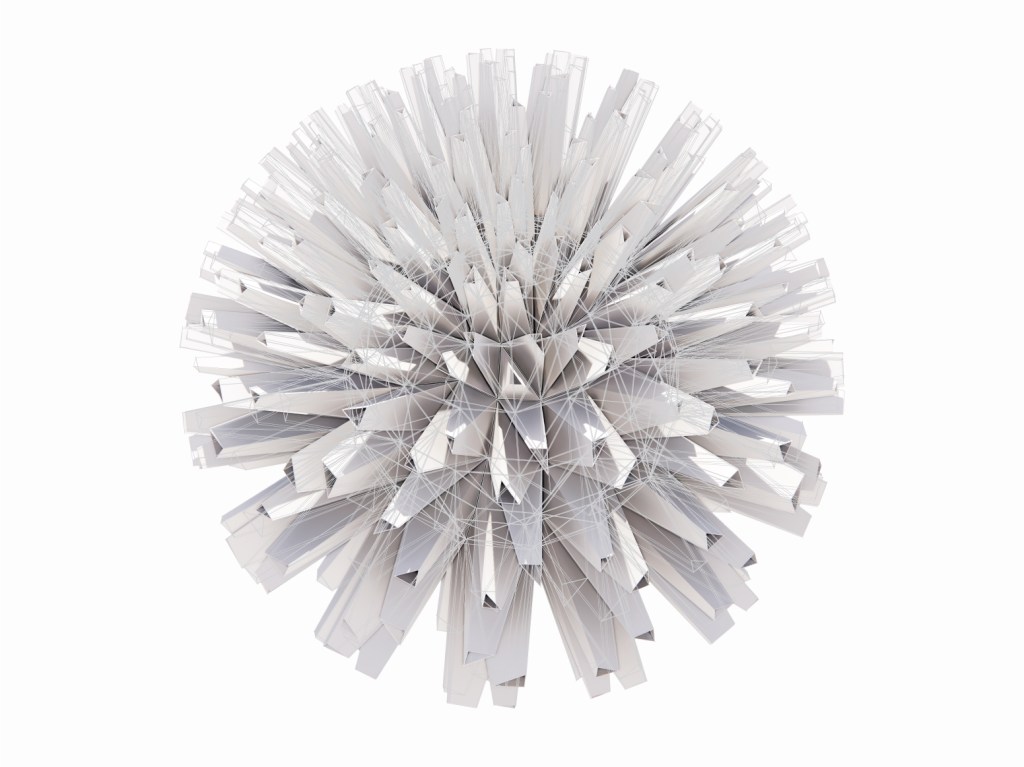
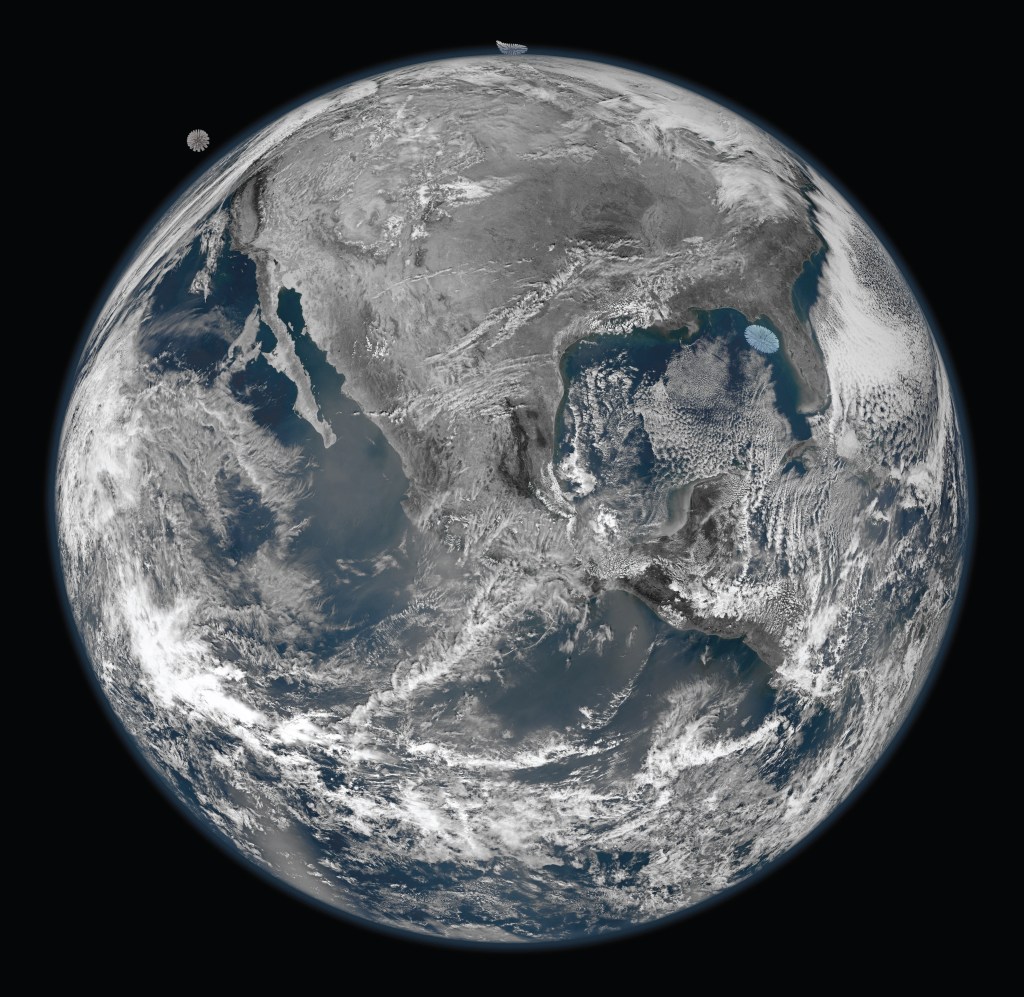
Anticipating inevitable periods of absolute uninhabitability for humans on Earth, Hibernator is a species of roving, fluid mega-organism: sheltering, feeding, and sustaining a cryogenic urban-scale womb for human preservation — in both corporeal and informatic form — on a hostile planet. It trawls through all environs to indiscriminately inhale and maintain any remaining specimens of humankind.
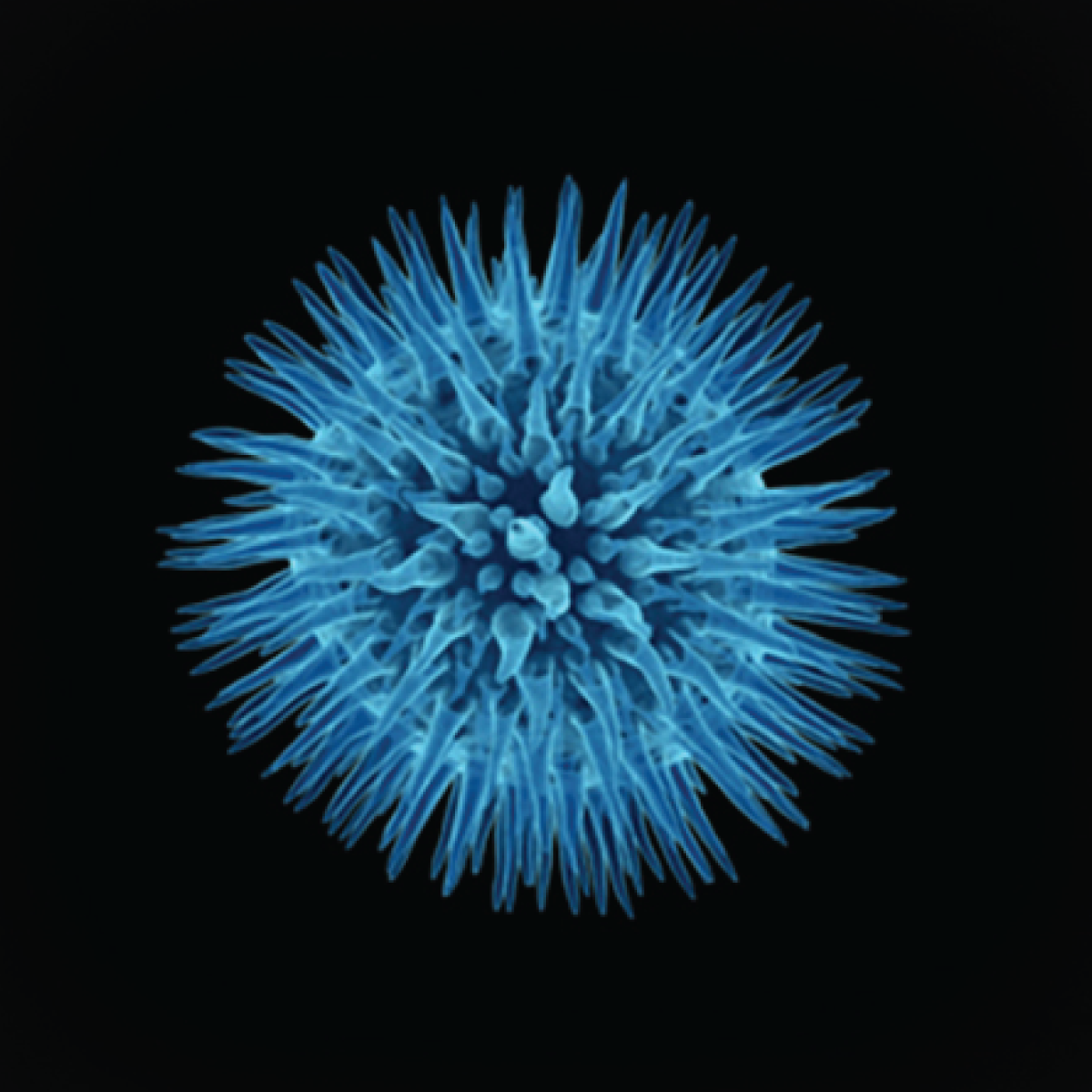
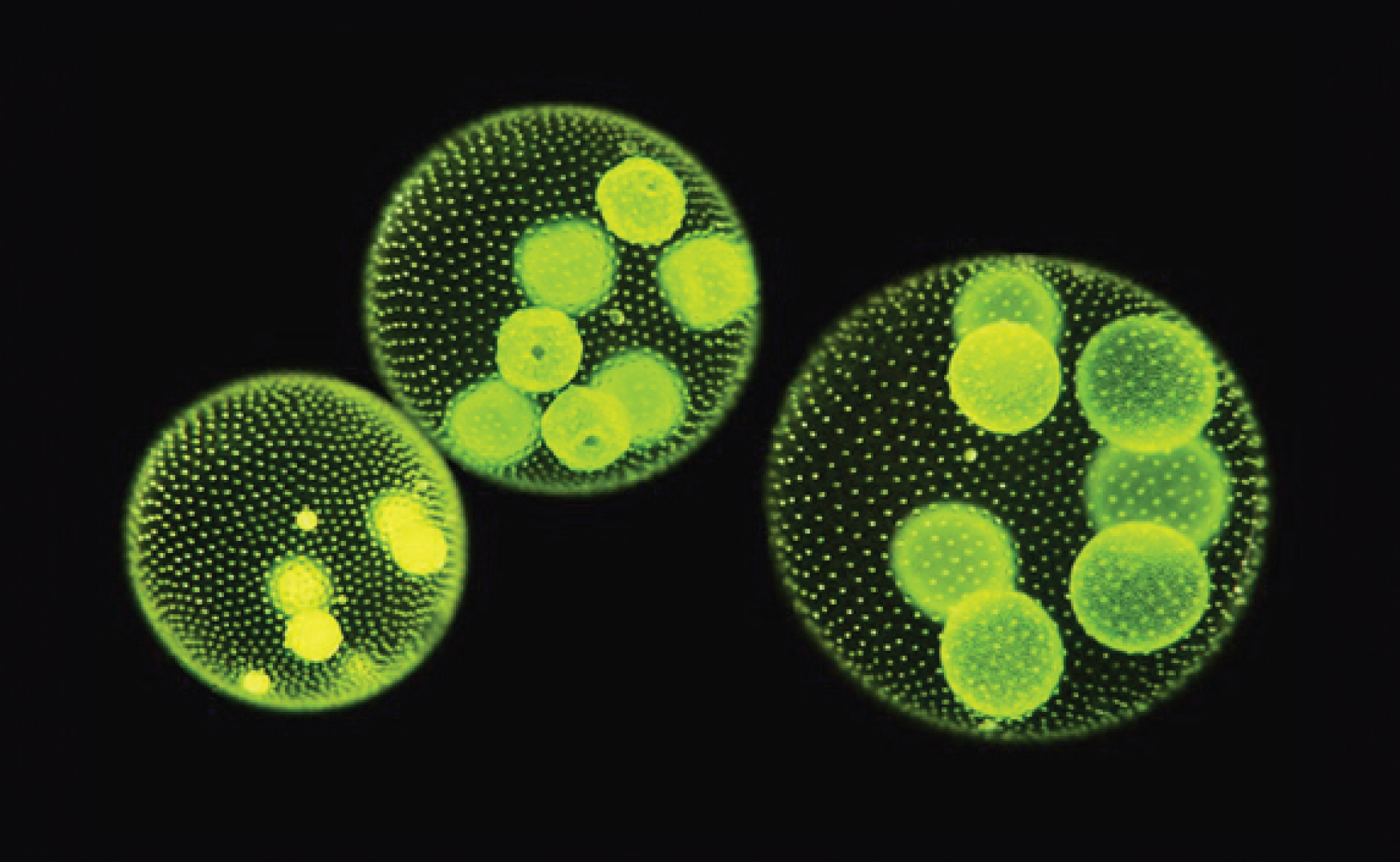
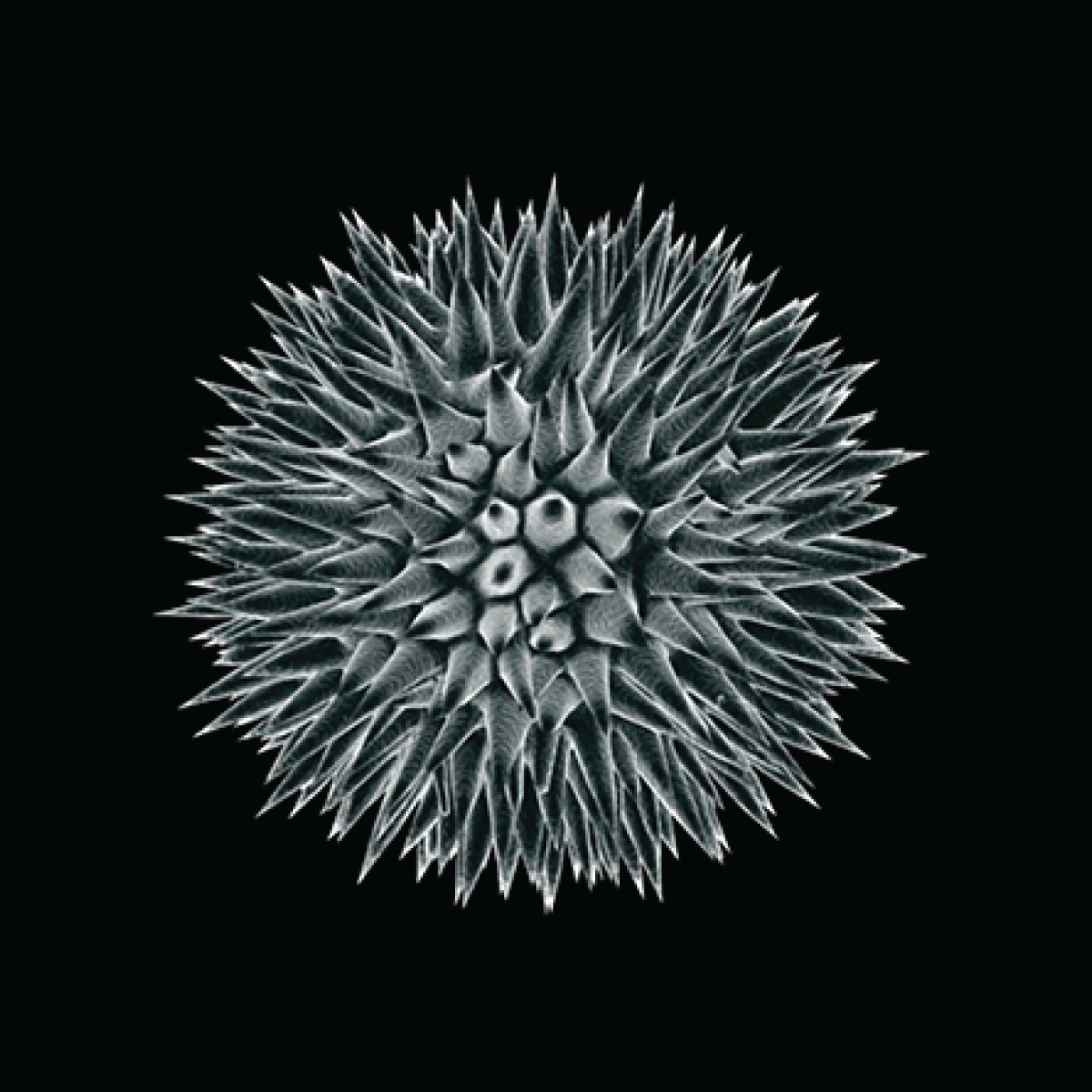
Drawing on extreme-endurance microorganisms including viral microbes and marine microbes, the enterprises of architecture and urbanism subsume the fields of biotechnology and bioengineering in the endeavor for long term human subsistence.
Hibernator responds to environmental instability through extraordinary flexibility, and vast fluctuations in activity, scale, formal configuration, and quantity, via autonomous cybernetic analysis, biomechatronic systems, and parthenogenic self-replication.
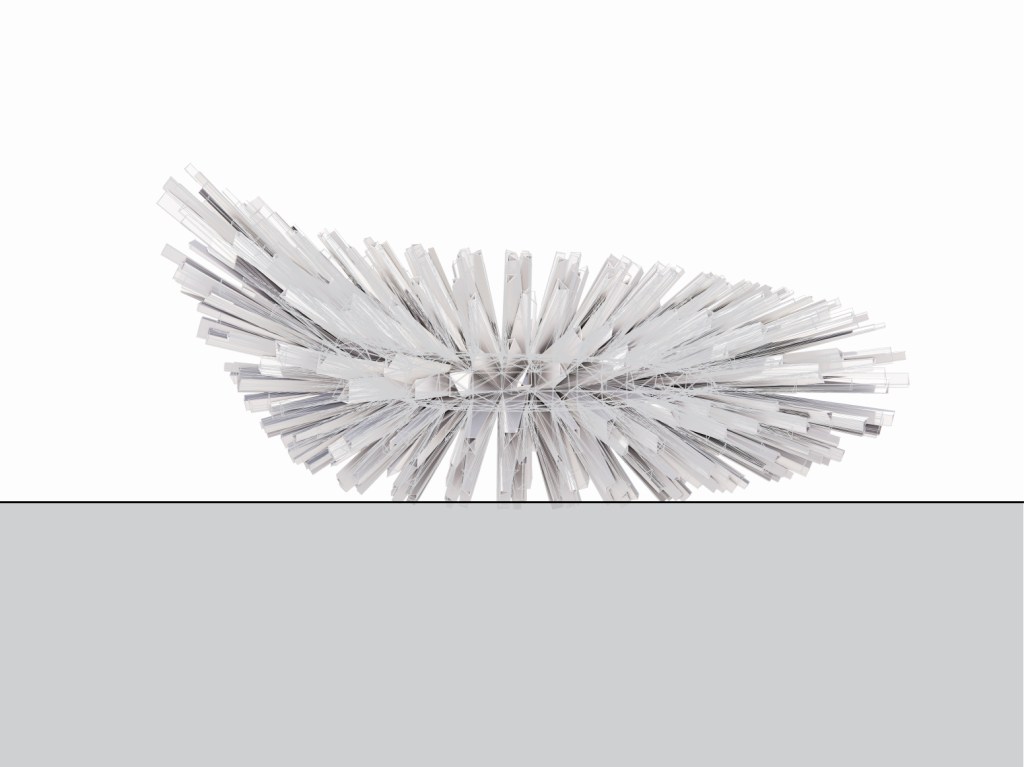
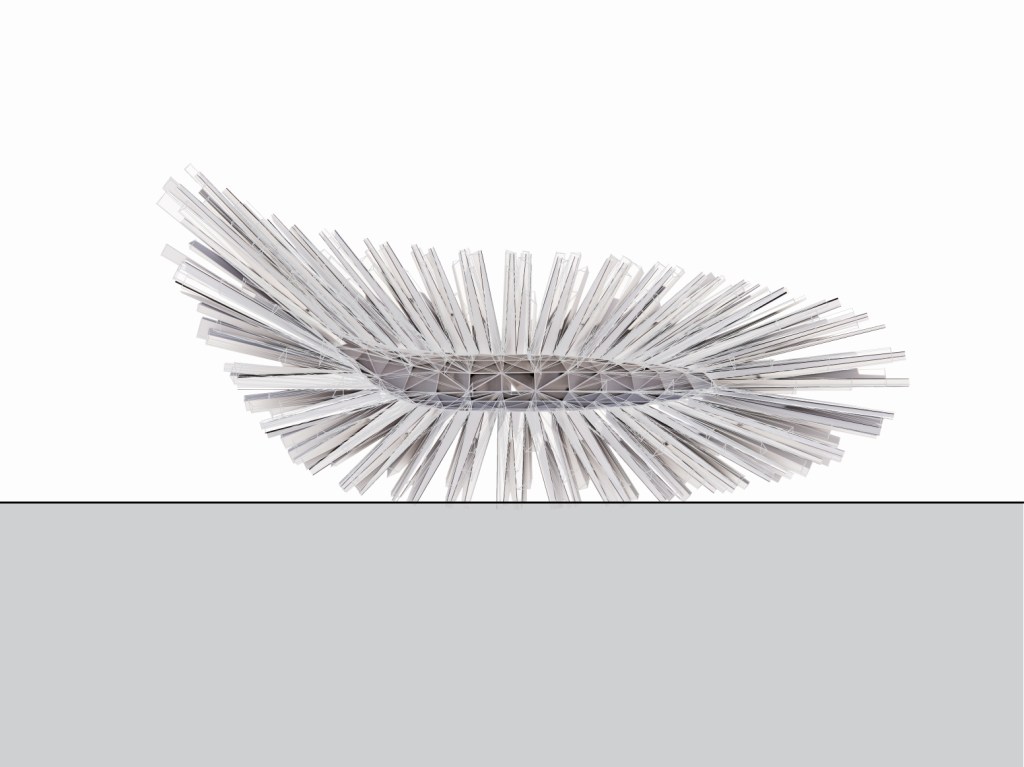
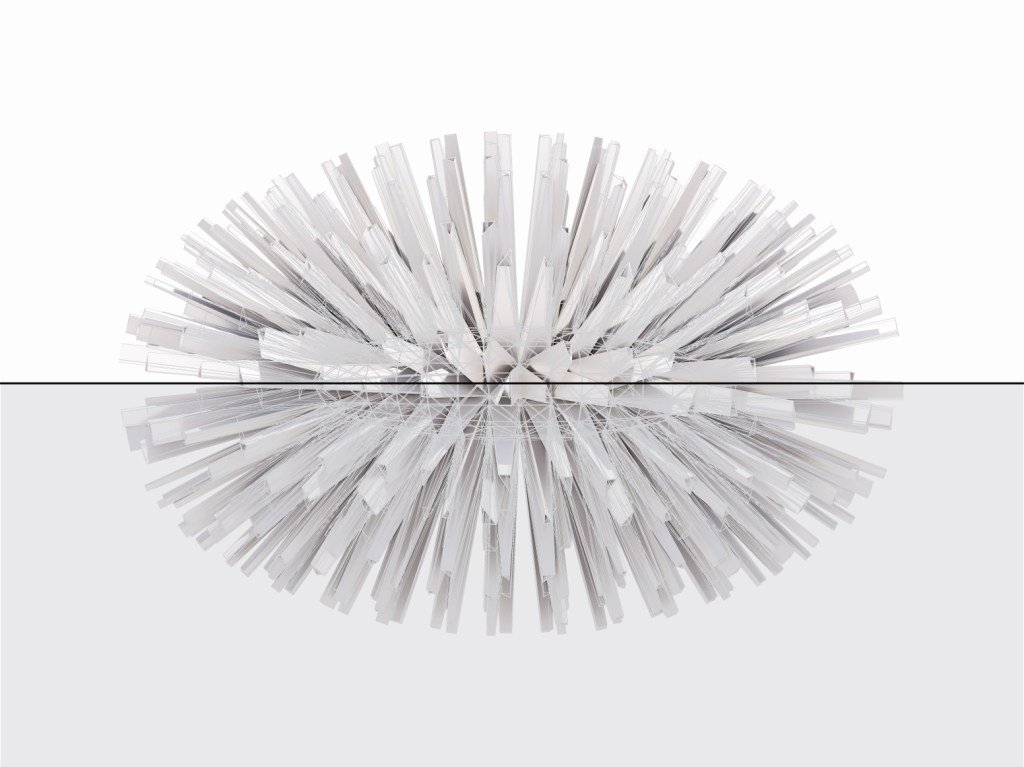
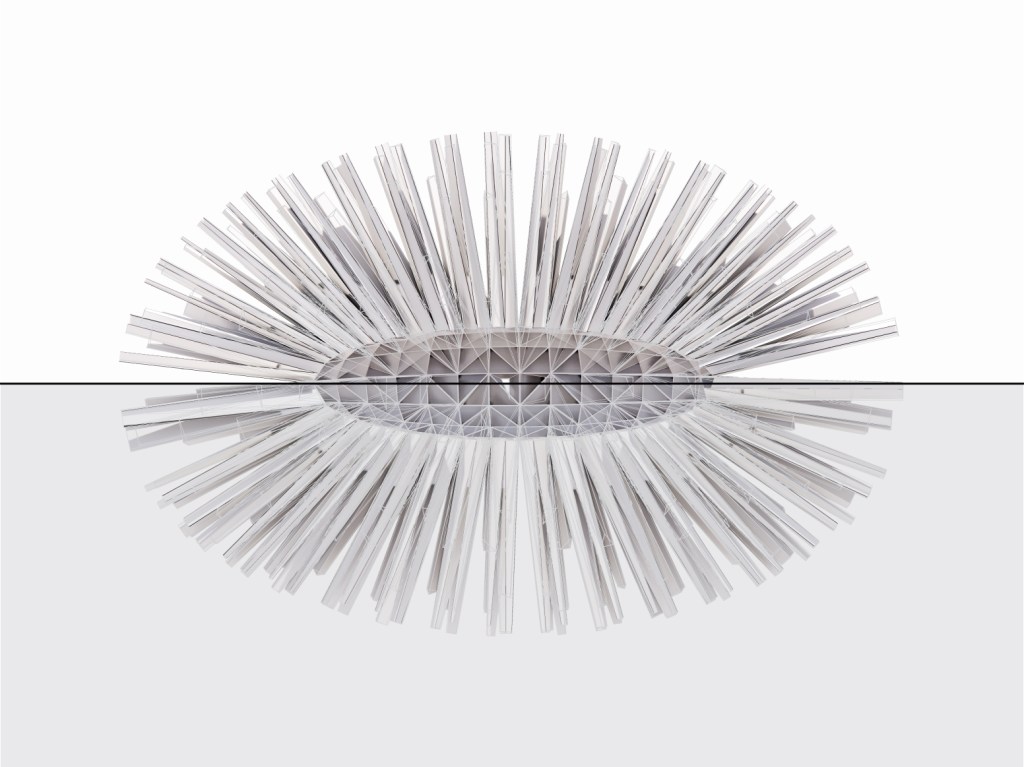
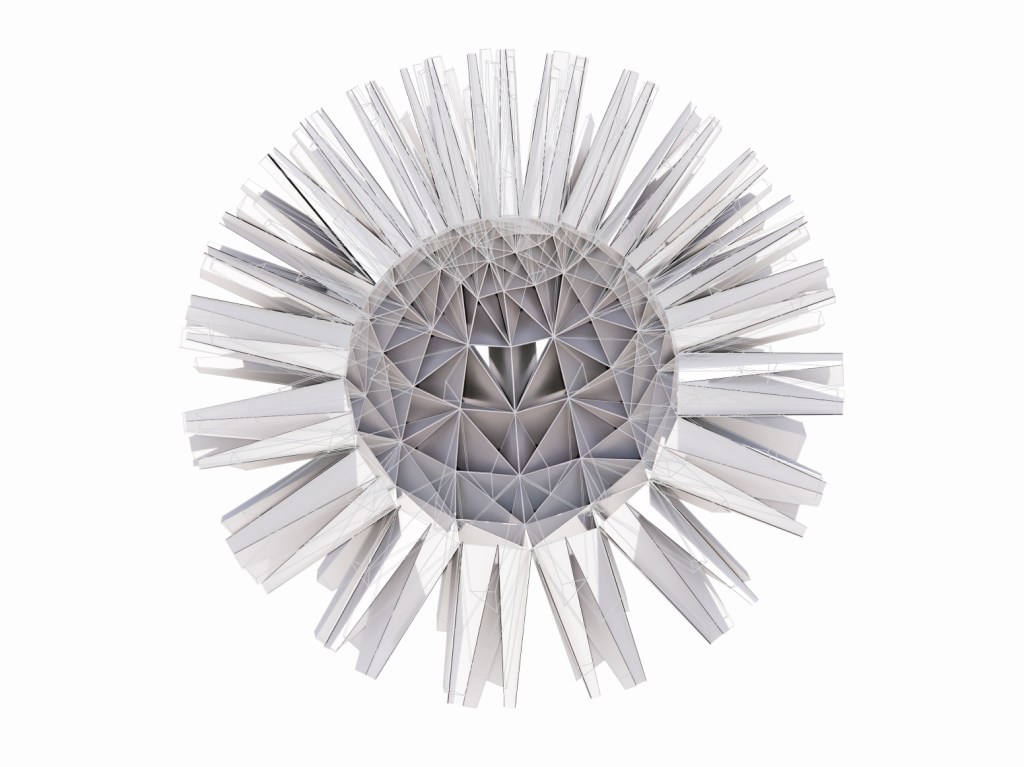
Hibernator is a colossal, amorphous insectoid figure equipped to roam a barren and inhospitable environment, and subsist:
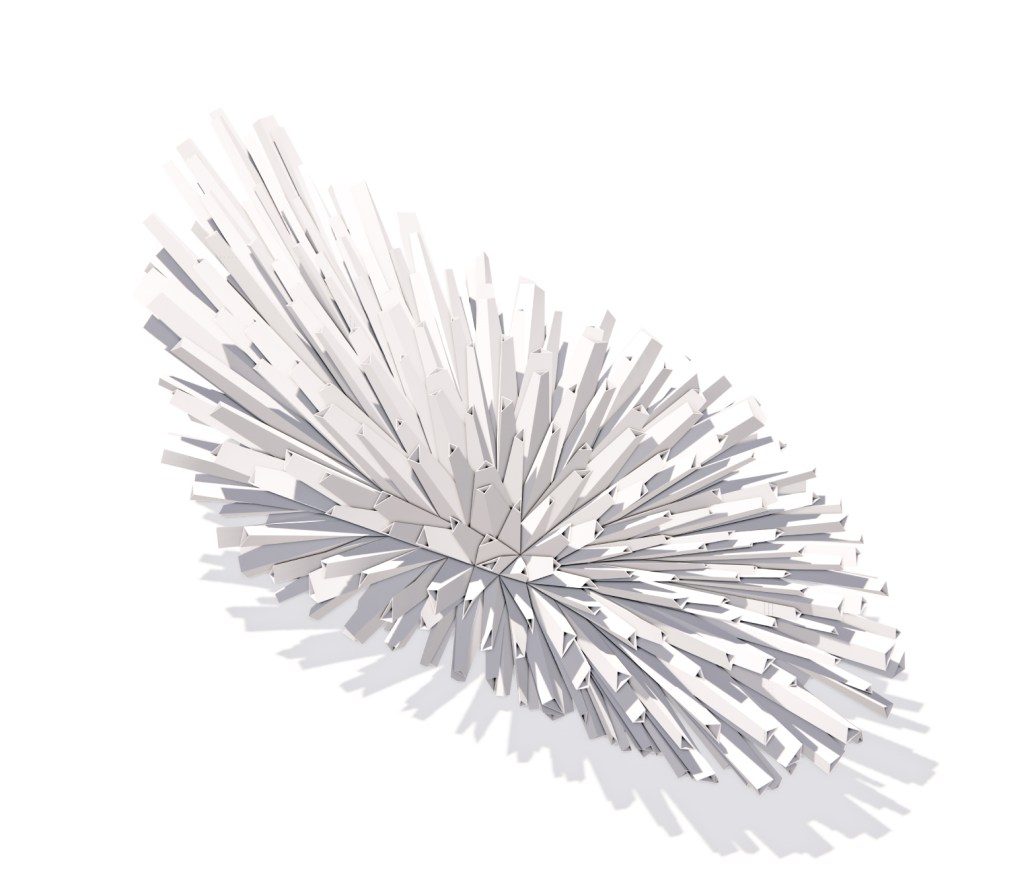
CRAWL
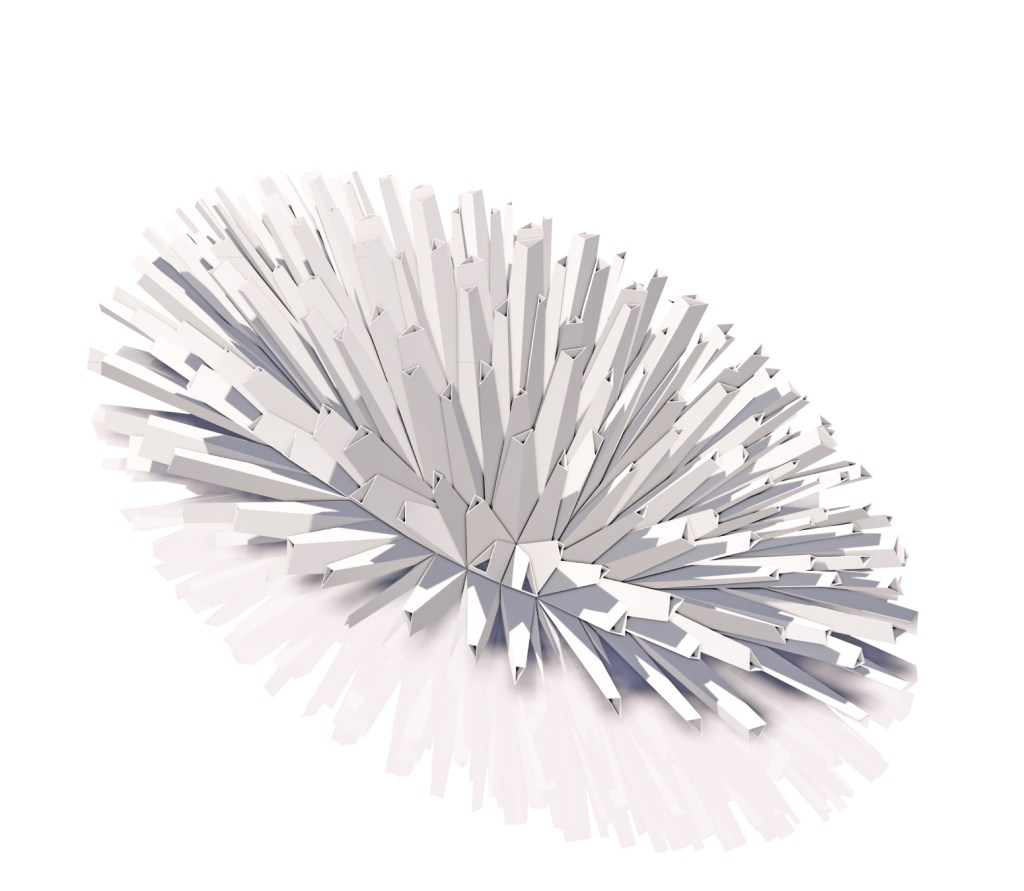
FLOAT

DRIFT
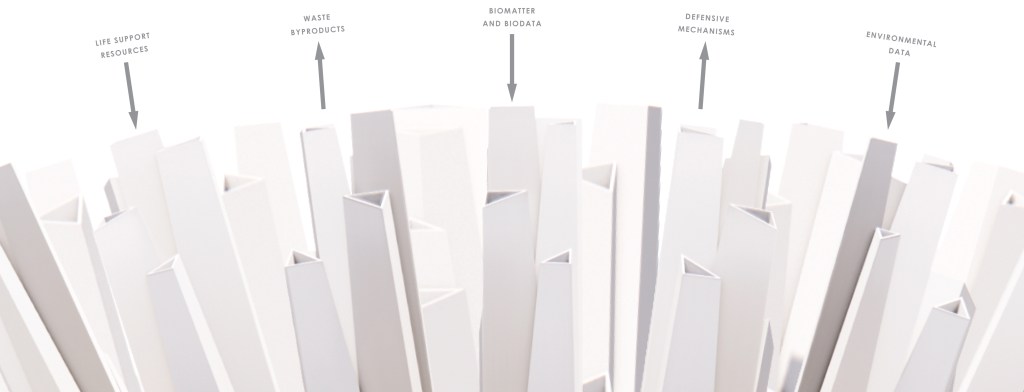
Hibernator is enveloped in protruding mobile spikes, which are multifunctional in purpose: performing multipedal movement; inhaling life support resources; expelling waste byproducts; absorbing samples of biomatter and biodata; discharging defensive mechanisms when necessary; probing and monitoring environmental conditions — all in service of its greater purpose.
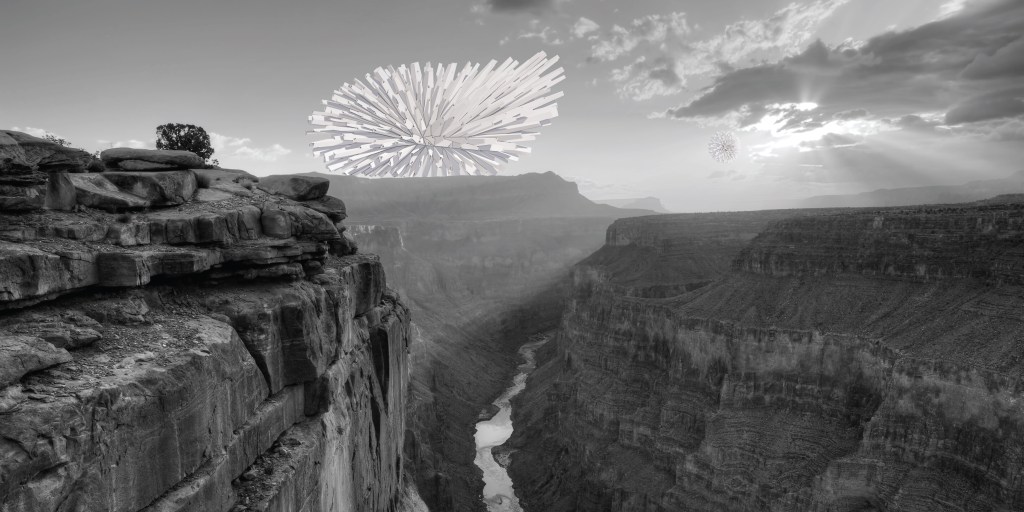
It exists to endure: to survive until a period when the Earth returns to a state in which the fragile, sensitive, and temporary bodies of human beings can once again survive, multiply, and hopefully thrive, without it.
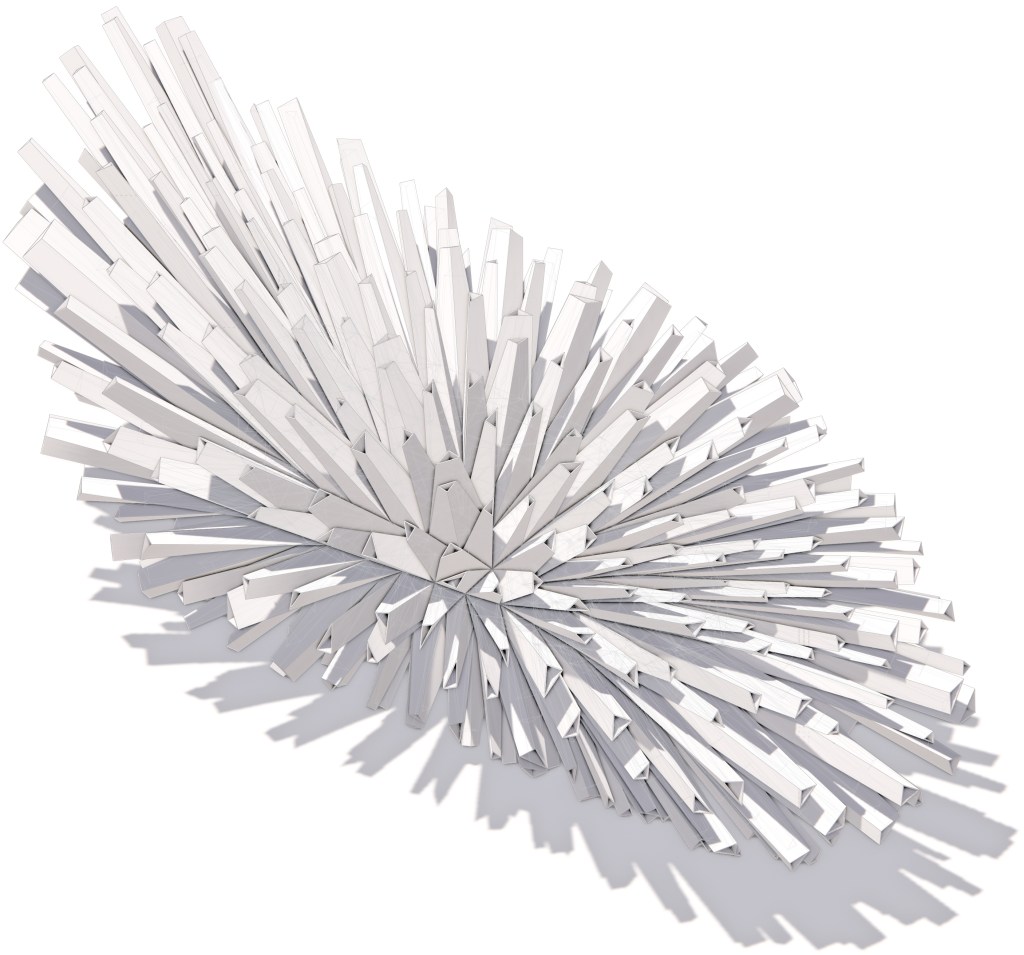
At the meta-level, this project explores the potential for relatively simple formal articulations to encapsulate larger narrative polemics.
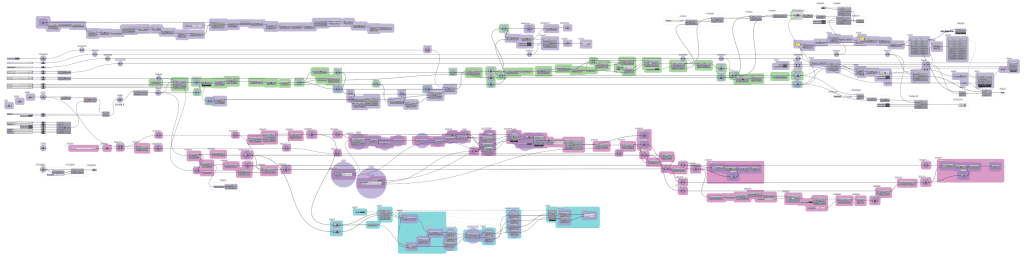
Building on its larger narrative themes of flexibility and variability, the project’s formal models are generated almost completely through procedural parametric processes.
PROJECTS: ABODE // CABIN // SEMI-SUB-URBAN // STATION // GREEN // TRANSPOSITORY // TEA-CRETE // LIGHTS // PENDANT // RINGS // NEO-CAIRNS // THESES: METAMATERIALISM (Human Being) // POST-MORDIAL (MIT SMArchS) // ISOTOPIA (Syracuse BArch) // HUMANS: KRIS // JODY
© Human Being Design 2025
 HUMAN BEING DESIGN